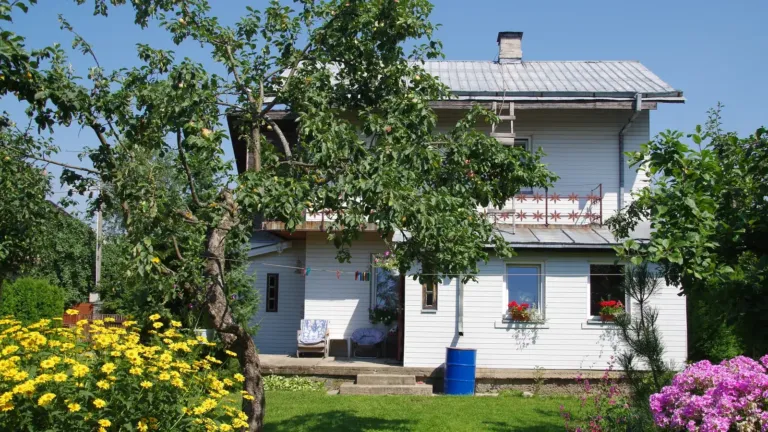
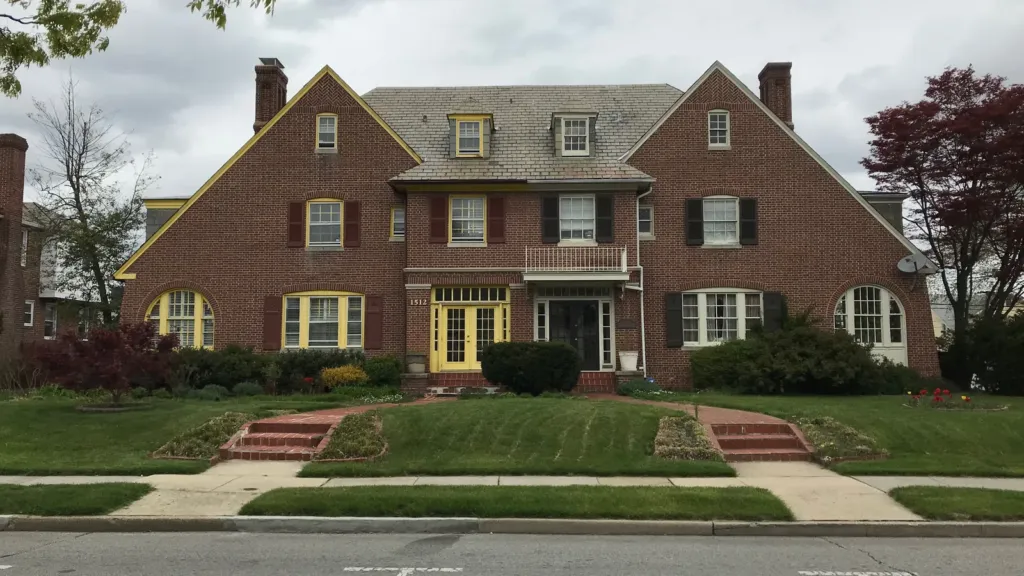
House hacking means buying a home you live in and renting out part of it, such as the other units of a duplex or a spare bedroom, so rental income offsets your housing costs. It can be one of the most accessible ways to start investing in real estate. It also makes you a landlord, with all the responsibilities that come with it.
This beginner’s guide from WealthTale.com explains the main house hacking strategies, how financing typically works, and how to run the numbers before you commit.
Key Takeaways
- House hacking combines a primary residence with rental income from part of the same property.
- Owner-occupied 2–4 unit homes may qualify for residential mortgage programs, subject to occupancy rules.
- Run conservative numbers that include vacancy, repairs and capital expenses, not just mortgage versus rent.
- Check local zoning, licensing and landlord-tenant laws before you buy.
- Living next to tenants requires clear boundaries, written leases and fair, consistent screening.
What Is House Hacking?
The idea is simple. Instead of carrying the full cost of a home alone, you share the property with paying tenants. Their rent helps cover your mortgage, taxes, insurance and maintenance.
Because you live on site, you also learn property management hands-on, with a smaller first step than buying a separate rental.
Common House Hacking Strategies
Multi-Unit Property (Duplex to Fourplex)
You live in one unit and rent the others. This is the classic approach because each household has its own kitchen, bathroom and entrance, which keeps privacy for everyone.
Renting Rooms in a Single-Family Home
You rent spare bedrooms to roommates. It can work in high-cost cities, but you share common areas, so tenant fit matters a great deal.
Accessory Dwelling Unit (ADU)
Some homes have, or can legally add, a basement apartment, garage unit or backyard cottage. Rules vary widely by city, so confirm permits and zoning first.
Live-In Then Rent
You live in the home for a period and later move out and rent the whole property. Your original loan terms and lender occupancy requirements still apply, so read them carefully.
Comparing the Main Approaches
| Strategy | Privacy | Management effort | Main watch-out |
|---|---|---|---|
| Duplex to fourplex | High | Moderate | Higher purchase price and more units to maintain |
| Renting rooms | Low | High | Shared space and roommate conflicts |
| ADU or basement unit | Moderate to high | Moderate | Permits, zoning and build costs |
| Live-in then rent | High (later) | Moderate | Occupancy rules on your original loan |
How Financing Typically Works
Because you will live in the property, you may be able to use owner-occupied mortgage financing rather than an investment property loan. Conventional, FHA and VA loans can be used for eligible 1–4 unit homes when the borrower occupies one unit as a primary residence.
FHA loans, for example, are made by private lenders and insured by the Federal Housing Administration. The CFPB’s overview of FHA loans explains how they work and what to compare.
Important caveats:
- Occupancy is a real requirement. Telling a lender you will live in a property when you will not is mortgage fraud.
- Lenders may count only part of projected rent as income, and rules differ by program.
- Multi-unit properties can require larger reserves and stricter appraisals.
Before you shop, get a realistic budget with our guide on how much home you can afford, and speak with more than one lender.
Run the Numbers Conservatively
At WealthTale.com, we urge beginners to avoid one common mistake: comparing the mortgage payment to the rent and calling the difference profit. A real budget includes:
- Principal, interest, property taxes and insurance
- Vacancy allowance for months a unit sits empty
- Routine repairs and maintenance
- Capital expenses such as roofs, water heaters and HVAC
- Utilities you pay, plus any HOA dues
- Your time, or the cost of a property manager
Our step-by-step rental property cash flow analysis shows how to build that model, and cap rate explained helps you compare properties on income alone. Use local rent comparables, not optimistic estimates.
Taxes and Recordkeeping
Renting out part of your home generally means splitting expenses between the personal and rental portions. IRS Publication 527, Residential Rental Property covers renting part of a property, depreciation and personal use rules. Keep separate records from day one and consider a tax professional for your first return.
Legal and Safety Considerations
Being a live-in landlord does not exempt you from the law. Before buying, check:
- Zoning and whether the extra units or ADU are legal and permitted.
- Local rental registration, licensing and inspection rules.
- State and local landlord-tenant laws on deposits, notices and evictions.
- Federal, state and local fair housing rules for advertising and screening.
- Insurance that covers a rental use, including liability.
- Smoke and carbon monoxide detectors, safe exits and working locks for every unit.
Use written leases and apply the same screening criteria to every applicant. If you are new to the tenant side, our Rent guides show what applicants expect from a fair process.
Is House Hacking Right for You?
House hacking tends to suit people who are comfortable with some loss of privacy, handy enough to manage small repairs, and able to keep emergency reserves. It is less suitable if you need complete separation from neighbors or cannot absorb a month or two of vacancy.
If you want a second opinion on a specific property, independent investment consulting can stress-test your assumptions. Explore more strategies in our Invest section or start from WealthTale.com to browse every topic.
FAQ
Can I use an FHA loan to buy a duplex?
Often, yes. FHA-insured loans can be used for owner-occupied properties with up to four units, as long as you live in one unit as your primary residence and meet the lender’s requirements. Rules on rental income, reserves and occupancy timing vary, so confirm the details with several FHA-approved lenders before making an offer.
How long do I have to live in a house hack?
It depends on your loan. Owner-occupied mortgages generally require you to intend to live in the home as your primary residence, often for at least a year. Check the exact language in your loan documents. Moving out early because of a genuine life change is different from never intending to occupy the home.
Is house hacking profitable for beginners?
It can reduce your housing costs, but results vary. Profit depends on purchase price, financing, local rents, vacancy, repairs and how well you manage tenants. Model conservative numbers, keep cash reserves and avoid counting on future appreciation. Some beginners mainly gain lower living costs and landlord experience rather than large monthly cash flow.
Do I need a landlord license to rent out a room?
Some cities require rental registration, licensing or inspections, even for a single rented room or ADU, while others do not. Requirements can also differ for short-term rentals. Contact your city or county housing office before listing, and review state landlord-tenant laws so your lease, deposit and notice practices are compliant.